
This Mediterranean spaghetti squash turns a humble winter squash into tender, noodle-like strands tossed with a warm tomato, onion and garlic topping, tangy feta, briny olives and fresh basil. It’s a light, low-carb alternative to pasta that still feels like a real dinner.
Each side serving is about 147 calories and 13 g of carbohydrates, a fraction of a bowl of regular spaghetti. It follows the spirit of Mediterranean cooking that the American Heart Association recommends: vegetables, olive oil, herbs and simple fresh ingredients.
Why This Recipe Works
- Real noodle texture. Roasted spaghetti squash separates into long strands with a pleasant bite, without the wateriness of zucchini noodles.
- Balanced flavors. Salty feta and olives, sweet roasted squash and tomatoes, and fragrant garlic and basil.
- Foolproof roasting. Roasting the halves cut-side down lets the flesh steam in its own moisture so it stays tender.
- Make-ahead friendly. Roasted squash keeps up to 4 days in the fridge for quick weeknight meals.
Ingredients
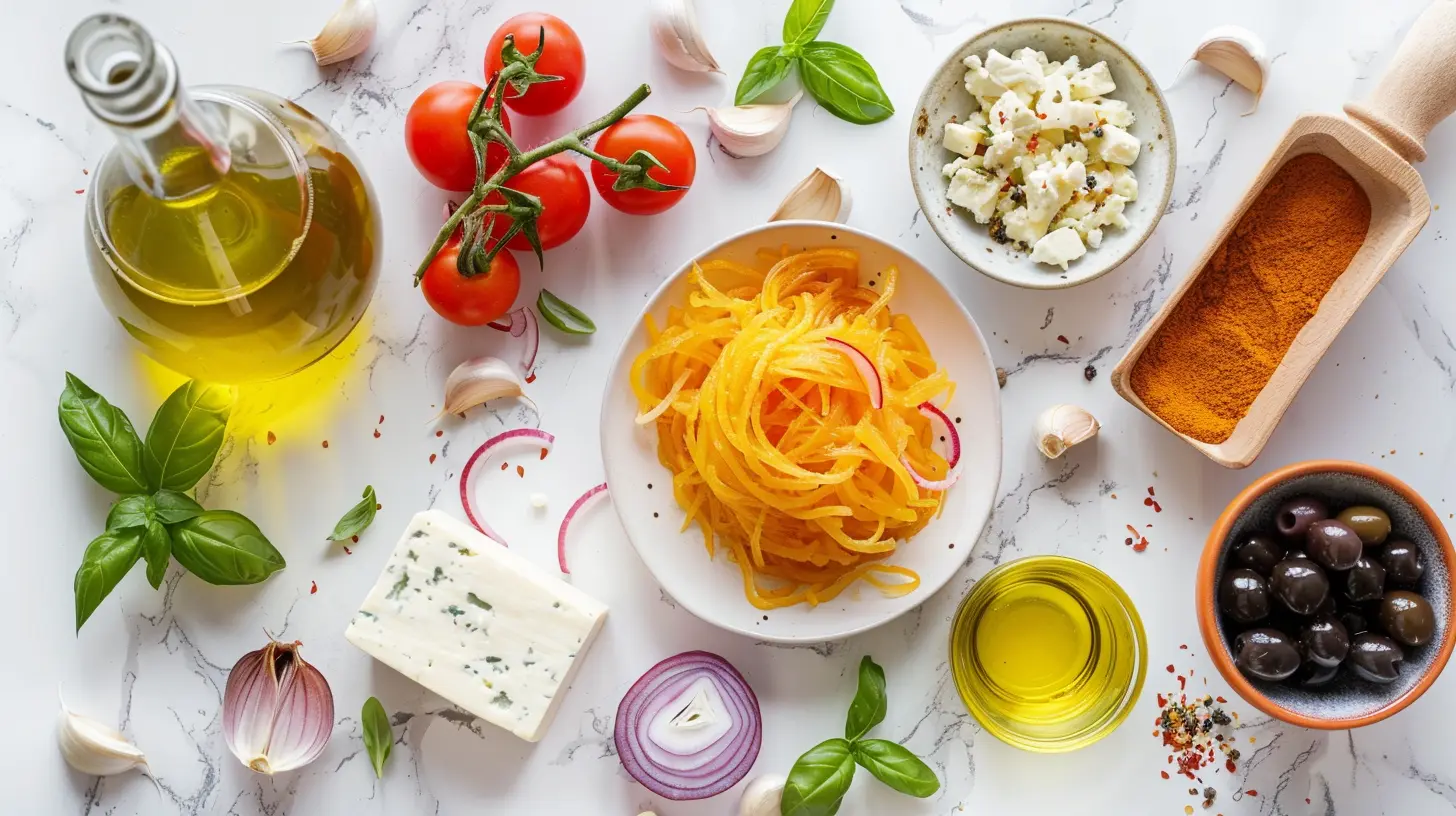
- Spaghetti squash: 1 medium (3 to 4 lb), firm and heavy for its size, with a dry stem and no soft spots. It yields about 6 cups of strands.
- Oil: 2 tablespoons vegetable or olive oil.
- Onion: 1 medium, finely chopped.
- Garlic: 1 large clove, minced.
- Tomatoes: 1 1/2 cups chopped Roma or vine tomatoes, or one 14.5 oz can of diced tomatoes, drained.
- Feta: 3/4 cup crumbled (about 4 oz), ideally from a block in brine.
- Olives: 3 tablespoons sliced Kalamata or black olives.
- Basil: 2 tablespoons fresh, chopped. Dried basil won’t give the same flavor.
- Optional: red pepper flakes, lemon zest, toasted pine nuts, a handful of baby spinach or fresh oregano.
Tip: if the squash is hard to cut, microwave it whole for 2 to 3 minutes to soften the rind, then halve it lengthwise with a large chef’s knife.
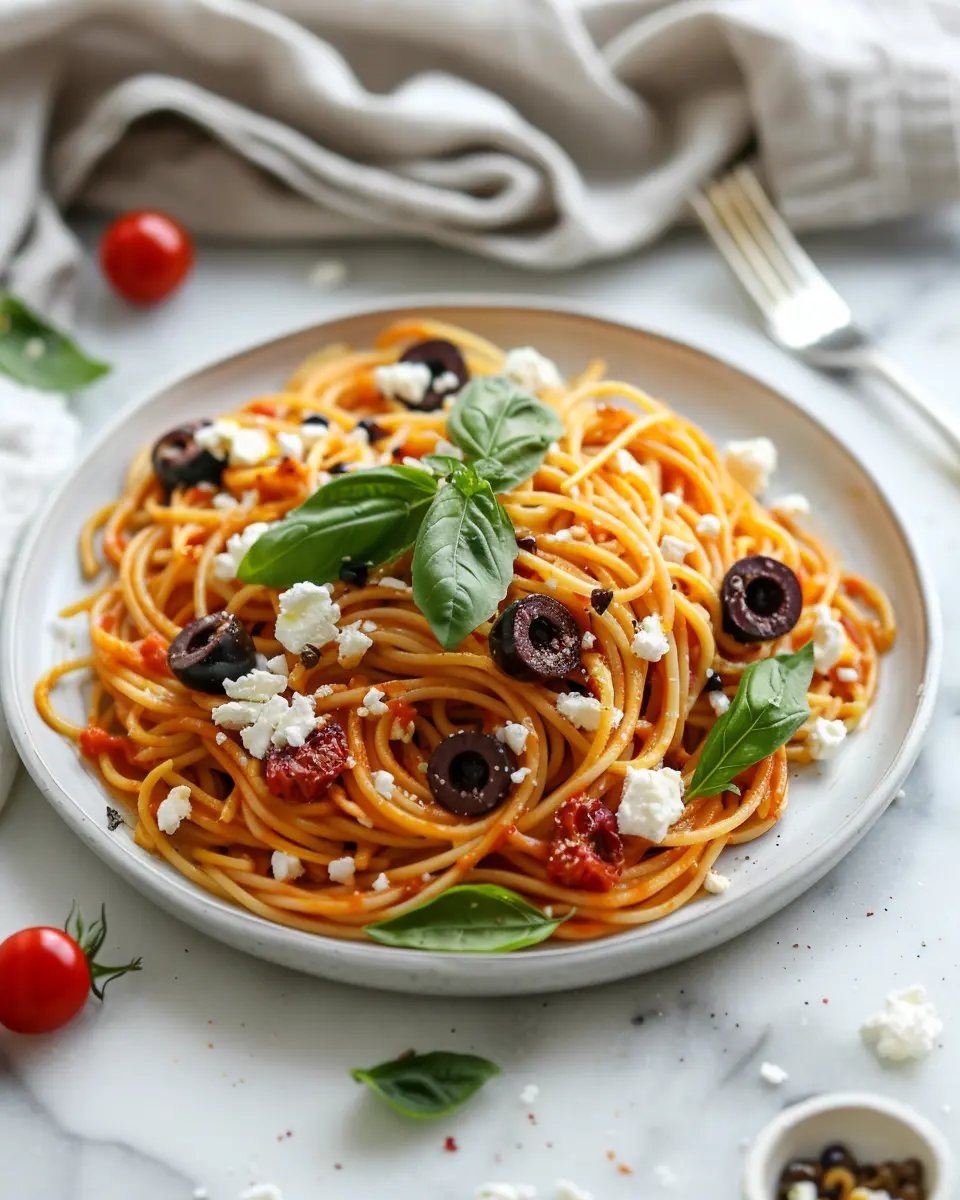
Mediterranean Spaghetti Squash

Ingredients
- 1 medium spaghetti squash 3 to 4 lb
- 2 tbsp vegetable or olive oil plus a little for the pan
- 1 medium onion finely chopped
- 1 large clove garlic minced
- 1 1/2 cups fresh tomatoes chopped, or one 14.5 oz can diced, drained
- 3/4 cup crumbled feta cheese about 4 oz
- 3 tbsp sliced black or Kalamata olives
- 2 tbsp fresh basil chopped
- salt and black pepper to taste
Instructions
- Preheat the oven to 350°F (175°C). Halve the squash lengthwise and scoop out the seeds.
- Place cut-side down on a lightly greased baking sheet and roast about 30 minutes, until the rind is easily pierced. Cool 5 to 10 minutes.
- Scrape the flesh into strands with a fork and place in a large bowl.
- Heat the oil in a skillet over medium heat. Cook the onion 5 to 7 minutes until translucent, add the garlic for 2 to 3 minutes, then the tomatoes for 3 to 4 minutes.
- Pour the tomato mixture over the squash, add the feta, olives and basil, toss gently, season to taste and serve warm.
Notes
- Roasted squash strands keep up to 4 days in the fridge, or 3 months frozen without toppings.
- Add chickpeas, white beans or grilled chicken for extra protein.
- About 147 calories and 13 g carbs per side serving.
Tips for Success
- Don’t overcook the squash. Start checking at 25 minutes: it should be tender but not mushy, or it will turn watery.
- Watery result? Press the strands gently with paper towels in a colander before adding the topping.
- More depth: roast the tomatoes alongside the squash for the last 15 minutes instead of cooking them in the skillet.
- Season at the end. Feta and olives vary in saltiness, so taste before adding salt. A squeeze of lemon brightens everything.
- Faster methods: microwave the halves cut-side down with 1/4 cup water for 10 to 15 minutes, or pressure cook on the trivet with 1 cup water for 7 to 10 minutes. Roasting gives the best flavor.
Serving Suggestions
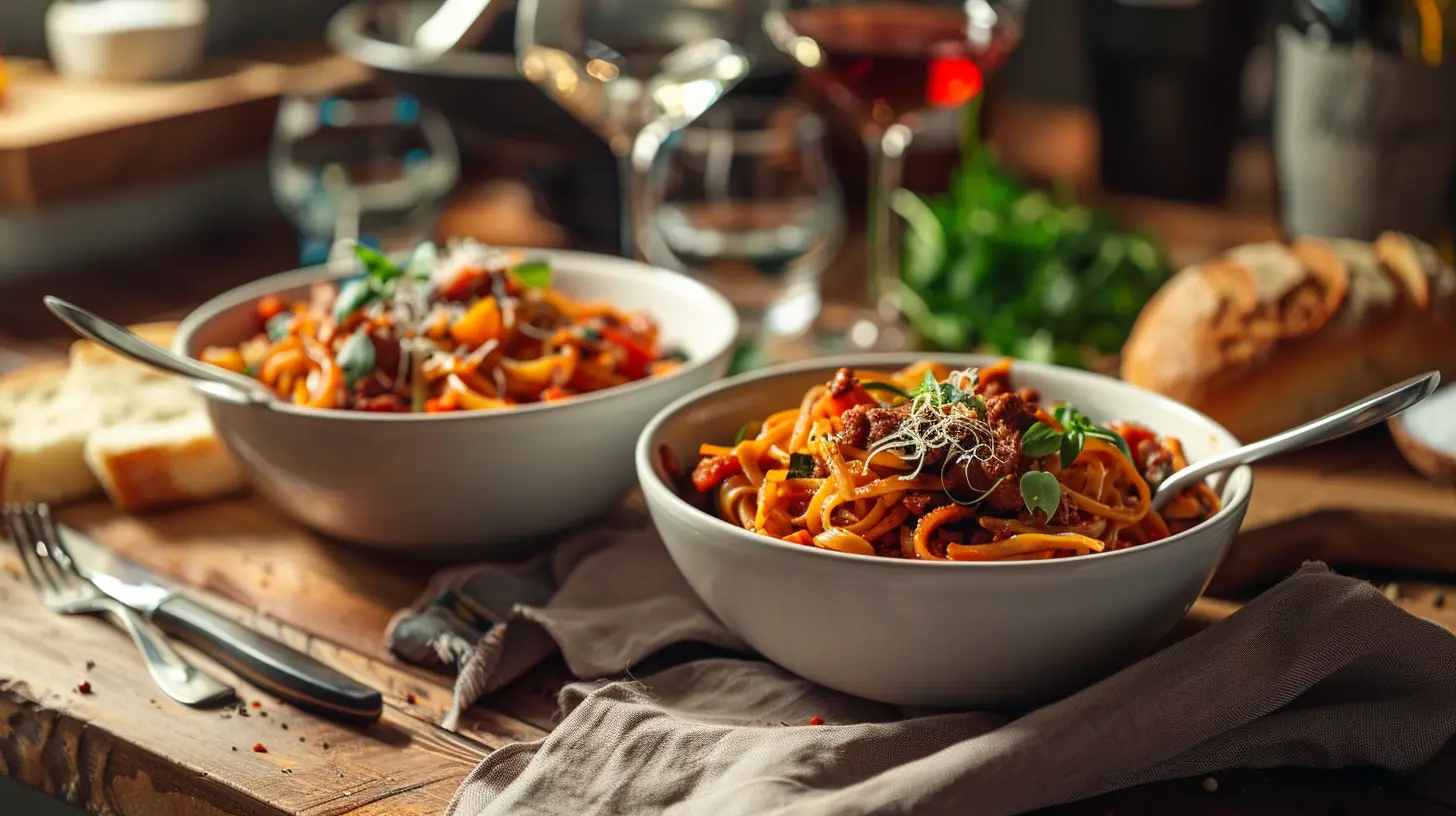
- Vegetarian main for 4, with crusty whole-grain bread and a green salad.
- Side dish for 6, next to grilled chicken, lamb kebabs or baked fish.
- Meal prep: divide into containers for lunches; it reheats well.
- Mezze spread: serve with hummus, tabbouleh, tzatziki and warm pita.
Storage and Reheating
- Fridge: up to 4 days in an airtight container. Store the squash and the topping separately if you can, so the squash doesn’t get soggy.
- Freezer: freeze the plain roasted strands for up to 3 months and make the topping fresh. The finished dish can be frozen for 2 months, but the feta and tomatoes will soften.
- Reheat in the microwave for 2 to 3 minutes, in a skillet with a little olive oil for about 5 minutes, or covered in a 350°F oven for 15 to 20 minutes.
Frequently Asked Questions
Can I make it vegan?
Yes. Skip the feta or use a plant-based version, and add a few extra olives or a tablespoon of nutritional yeast for savory depth.
Can I add protein?
Grilled chicken, sautéed shrimp, a can of chickpeas or white beans all work well.
Is spaghetti squash keto-friendly?
With about 13 g of carbs per serving, it fits most low-carb plans. Add more olive oil, feta or spinach to make it even more keto-friendly.
What can I use instead of feta?
Goat cheese, ricotta salata or Parmesan.
Conclusion
This Mediterranean spaghetti squash is light without being boring, satisfying without being heavy, and easy enough for any weeknight. Grab a squash next time you see one at the store and give it a try. For more vegetable-forward dinners, try my creamy eggplant curry or browse my dinner recipes.